
“I want to look refreshed, but I do not want to look frozen.”
This is a common concern raised during consultations about facial ageing and appearance. The term “frozen” is generally used to describe a noticeable reduction in facial movement or expression.
Fine lines and wrinkles may appear during facial expression or remain visible when the face is at rest. Facial movement varies from person to person. Anatomy, muscle strength, existing asymmetry, skin quality, medical history and previous cosmetic procedures can all influence how these changes appear. Different cosmetic options may affect facial movement differently, and no particular outcome can be guaranteed.
Cosmetic procedures also have limitations and potential risks. Depending on the option being considered, these may include bruising, swelling, tenderness, asymmetry, unintended changes in movement or an outcome that differs from expectations. Less common but more serious complications can also occur.
A consultation should include an assessment of your concerns, which may include facial movement, fine lines and wrinkles, together with your medical history and goals. Reasonable treatment and non-treatment options, expected outcomes, limitations and potential risks should also be explained. Following assessment, treatment may not always be considered appropriate.
“Frozen” is not a clinical description. It is a term patients often use when a face appears unusually still, less expressive or noticeably different from its usual appearance.
People can have different concerns about facial movement. Some may place greater importance on retaining their usual expression, while others may be more concerned about lines that are visible at rest. These preferences should not be assumed, and they do not determine whether any particular procedure is appropriate.
The discussion should consider your individual anatomy, existing facial movement, treatment goals, clinical suitability, expected limitations and potential risks. The degree of movement or change following a cosmetic procedure cannot be precisely guaranteed.
A consultation provides an opportunity to explain your concerns in your own words. You do not need to understand technical terminology or arrive with a specific treatment plan. Descriptions such as “I still want my eyebrows to move” or “I do not want friends to notice I have had something done” can help your practitioner understand your priorities. However, they do not guarantee that a particular outcome can be achieved or that treatment will be suitable.
Facial Movement Is Not the Same for Everyone
Two people can make the same expression while using their facial muscles quite differently.
Some people naturally have strong movement across the forehead or between the brows. Others recruit surrounding muscles when they smile, squint or concentrate. Eyebrow position, eyelid shape, facial asymmetry and previous treatments can also affect how an expression appears.
This means, a standardised approach is unlikely to reflect every face.
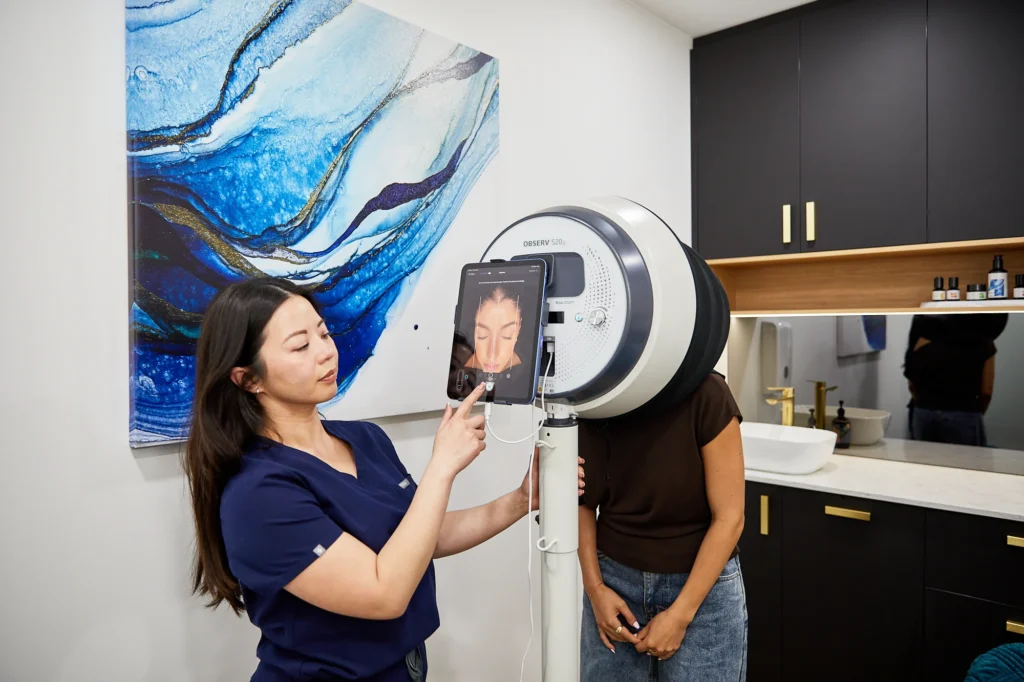
Before discussing suitable options, your practitioner may observe your face while relaxed and during movement. You may be asked to smile, frown, raise your eyebrows or gently close your eyes. This helps show where movement begins, which muscles appear active and how different areas influence one another.
At our Skin Clinic Stirling, patients can begin with an individual consultation that considers their concerns, preferences and clinical suitability rather than assuming the same approach will suit everyone.
A visible line does not always tell the full story.
Fine lines and wrinkles that appear mainly during facial expression are often described as dynamic or movement related lines. Those that remain visible while the face is relaxed are commonly described as static lines. These descriptions alone do not determine whether treatment is needed. Skin hydration, changes in collagen, sun exposure and skin texture can also affect how pronounced a line appears.
During assessment, your practitioner may consider:
This broader view helps distinguish between a movement-related concern and one that may also involve skin quality or structural change.
Not every visible line or wrinkle requires treatment. In some cases, a different skin-focused approach may be discussed. Following assessment, your practitioner may also recommend waiting or not proceeding with treatment.
The phrase “natural-looking” is commonly used in cosmetic care, but it does not have one clinical definition. What appears natural varies between individuals and is influenced by facial anatomy, usual movement and existing asymmetries.
Some people use “natural-looking” to describe an appearance that remains familiar and expressive rather than noticeably different. However, no cosmetic procedure can guarantee that movement will be retained in a particular way or that the final appearance will match an individual’s understanding of natural.
Human faces are not perfectly symmetrical. One eyebrow may sit slightly higher, one eye may close differently when smiling or one side of the forehead may move more strongly. These differences are common and often contribute to a person’s familiar appearance.
Attempting to alter every fine line, wrinkle or asymmetry may not be appropriate. Any procedure may also produce changes in movement, balance or appearance that differ from what was expected.
A consultation should consider the concerns you wish to discuss, the natural characteristics you value, realistic limitations and potential risks. Following assessment, a practitioner can explain whether any option is appropriate, including the option of not proceeding with treatment.
A result may appear less natural when the planning does not adequately account for how different areas of the face work together.
Factors that may influence facial movement include:
Treating a Line Without Assessing Nearby Movement
Facial muscles do not work in complete isolation. Changing activity in one area may alter the way another area moves or compensates.
Assuming Every Patient Wants the Same Degree of Change
Some patients want only a slight softening. Others have different priorities. The practitioner should understand your preferred outcome before recommending an approach.
Trying to Remove Every Visible Sign of Expression
Lines can be part of normal communication and positive ageing. The goal does not have to be a completely smooth or motionless appearance.
Not Sharing Previous Treatment History
Not sharing details of previous cosmetic treatments may limit your practitioner’s ability to assess your current facial movement, anatomy, tissue response and individual suitability.
Let your practitioner know which procedure you received, the area involved, approximately when it occurred and whether you experienced any unexpected effects or complications afterwards. If you do not know the exact product or amount used, say so and provide previous treatment records if they are available.
Providing a complete treatment history supports a more informed assessment but does not guarantee that another procedure will be suitable.
Making Too Many Decisions at Once
First-time patients can feel overwhelmed when several areas are discussed during one appointment. A staged approach may sometimes allow more time to understand how you feel about each change.
None of these points guarantees a particular outcome. They explain why assessment, communication and individual planning are important before any decision is made.
Booking a consultation does not mean you have agreed to treatment.
It is an opportunity to understand why a line has become more noticeable, hear what may or may not be suitable, and ask questions about possible risks, limitations, recovery and follow-up.
A practitioner may recommend a smaller treatment plan than you expected, suggest addressing a different contributing factor or advise against treatment.
That is not a failed consultation. It may be evidence that the recommendation is being based on your face and circumstances rather than a predetermined service.
You should also have the opportunity to pause. Feeling uncertain is a reasonable reason to take more time. COCO explains the broader appointment journey through information about what to expect during your first visit, including the role of consultation and personalised planning.
You do not need to arrive with reference photographs or clinical language. It can be more useful to describe how you want your face to feel and move.
You might say:
These statements give your practitioner insight into your priorities. They also create an opportunity to discuss whether your expectations are achievable and whether treatment is appropriate.
Before proceeding with any cosmetic procedure, you should understand what is being proposed and why it has been recommended.
The discussion may include the areas being considered, how your movement could change, potential side effects, less common risks, expected recovery and what follow-up may involve. You should also be told whether there are alternatives, including the option of no treatment.
Ask how the proposed plan relates to your natural expression. It is also reasonable to ask what changes should prompt you to contact the clinic after the appointment.
COCO’s approach to Wrinkle Treatment Perth & Fremantle begins with assessing facial movement, skin quality and your individual preferences before suitable options are discussed.
Patients often choose a clinic based on more than location. They may also look for a practitioner who listens carefully, clearly explains the reasoning behind recommendations and recognises that individual concerns and preferences can vary.
At COCO, patients considering Skin Treatments at our Stirling clinic can begin with a consultation to discuss movement-related lines alongside changes affecting hydration, texture and overall skin quality. This allows each concern to be assessed within the broader context of the skin, medical history and individual suitability rather than viewed in isolation.
A consultation does not mean that treatment will be recommended.
Patients can also learn more about the team responsible for their assessment and care by meeting the COCO Skin Clinic team.
Patients travel to COCO from Cottesloe, Mosman Park, Fremantle, East Fremantle, South Fremantle and Claremont when they want to better understand changes in facial movement without assuming treatment is automatically required.
Those living in Scarborough, City Beach, Innaloo, Karrinyup, Osborne Park and Doubleview may also visit the Stirling or North Fremantle clinic depending on which location fits more comfortably into their routine. Both clinics follow COCO’s consultation-led approach, with recommendations shaped around the individual rather than a standard treatment pattern.
The fear of looking frozen often reflects something deeper than concern about muscle movement. It is the wish to remain recognisable, expressive and comfortable in your own face.
A responsible consultation should take that concern seriously. It should explore the expressions you value, explain what any proposed procedure may and may not change, discuss its limitations and potential risks, and acknowledge that no cosmetic procedure can offer a guaranteed outcome.
Following consultation, you may choose to proceed with an appropriate treatment option, wait, consider a different approach or not proceed with treatment. Any decision should be based on clear information, realistic expectations and the opportunity to consider your options without feeling rushed or pressured.
Disclaimer: This article provides general educational information about facial movement and fine lines and wrinkle treatment considerations. It does not replace personalised medical advice or confirm that a treatment is suitable for you. Cosmetic procedures involve potential
Our friendly team is ready to help you feel confident and informed.
Cart