
Acne & Scar Treatment Perth & Fremantle
Every scar differs in its depth, colour, texture and relationship with the surrounding skin.
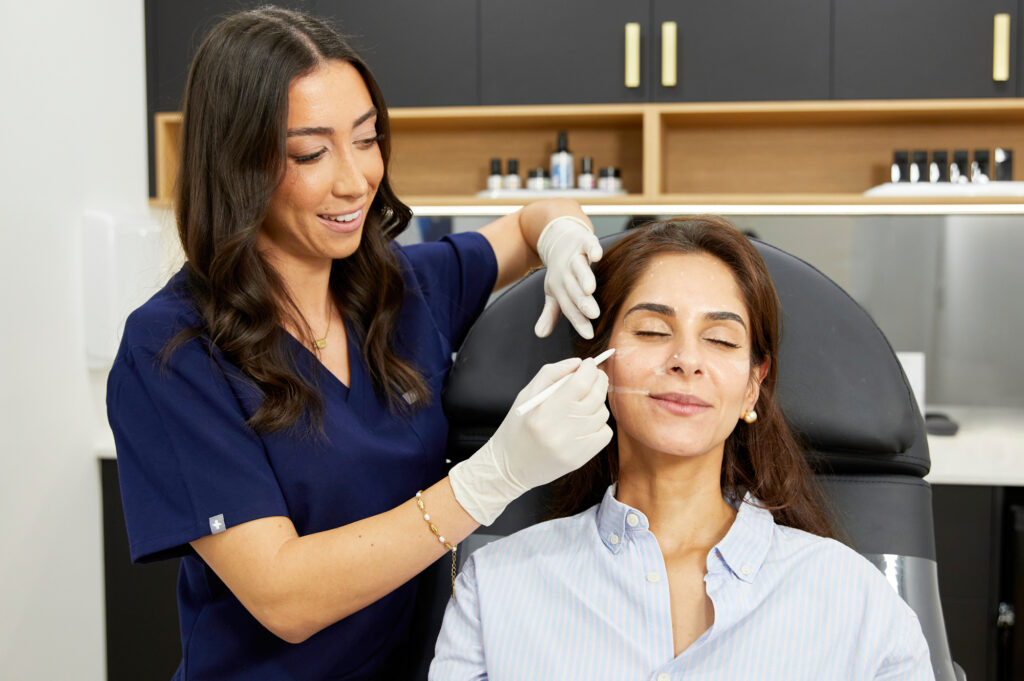
At COCO Skin Clinic, we take a personalised approach to acne scarring and uneven skin texture. Treatment begins with a careful assessment of the scar and your skin. Rather than starting with a device or procedure, your practitioner will first identify the type of scar before discussing suitable in-clinic treatments and skincare options to support smoother, more even-looking skin.
- Available at Stirling & North Fremantle
Not All Scars Are the Same
Scarring can occur as the skin repairs damage caused by an injury, surgery, burn or inflammation such as acne.
The way a scar develops can be influenced by the depth and location of the original damage, the degree of inflammation, the body’s collagen response, genetics, skin type and individual healing. For this reason, scars that appear similar at first glance may respond differently to treatment.
Some scars sit below the surrounding skin, while others become raised or thickened. A scar may appear red, pale or darker than the surrounding skin, or the main concern may be uneven texture.
What Type of Scar Do I Have?
During your assessment, your practitioner will examine characteristics such as the scar’s depth, texture, colour and thickness, including whether it appears tethered beneath the skin.
Indented or Atrophic Scars
Atrophic scars sit below the surrounding skin and are commonly associated with acne. They are often described as pitted, indented or uneven. Acne scars can vary considerably in shape and depth. Understanding these differences helps your practitioner determine which treatment approaches may be suitable.
Raised or Thickened Scars
Some scars become raised or thickened when excess collagen forms during the healing process. These scars require careful assessment because they behave differently and have different treatment considerations from indented acne scars.
Discoloured Scars and Post-Inflammatory Marks
Red, brown or darker marks remaining after acne or an injury are not always structural scars. In some cases, the skin may feel relatively smooth, with persistent redness or pigmentation creating the visible concern. These changes may require a different approach from treatments intended to address scar depth or texture.
Uneven or Textural Scarring
Some scarring is most noticeable because the skin appears or feels rough, irregular or different from the surrounding area. The cause and depth of the textural change will help guide which treatment options may be appropriate.
Acne Marks and Acne Scars Are Not the Same
The terms acne marks and acne scars are often used interchangeably, but they describe different changes in the skin.
A flat red or brown mark remaining after a breakout may be post-inflammatory redness or pigmentation. An acne scar involves a change in the structure or texture of the skin itself. It is also possible to have both at the same time.
Someone with indented acne scarring and post-inflammatory pigmentation may therefore require a different treatment plan from someone whose primary concern is residual colour after their acne has settled.
When pigmentation is a significant part of the concern, your practitioner may discuss COCO’s approach to pigmentation treatment separately from treatments intended to address scar texture.
Why Assessment Should Come Before Technology
It is common to begin researching scar treatment by looking at particular technologies. Microneedling, laser resurfacing and other procedures are frequently discussed online, which can make choosing a device seem like the most important decision.
At COCO, the scar guides the treatment – not the other way around.
A shallow textural scar may respond differently from a deep, narrow indentation. A scar tethered beneath the skin presents different considerations again, while pigmentation and redness may add another layer to the assessment.
This is why one procedure is not automatically suitable for every acne scar. Your practitioner will assess the scar’s characteristics before discussing appropriate treatment options.
When Skin Needling May Be Considered
Skin needling may be considered for selected concerns involving uneven skin texture and certain types of acne scarring.
The treatment creates controlled micro-injuries within the skin, stimulating a healing response that supports collagen remodelling. However, superficial textural changes and deeper or more complex scars may not respond in the same way.
Your practitioner will assess whether skin needling in Perth is suitable for your skin and scar type.
When Laser and Light Treatments May Be Relevant
Laser and light-based technologies have different roles in scar treatment.
Some may be considered for skin texture and resurfacing, while others may be more relevant when persistent redness or pigmentation forms part of the concern.
The choice of technology, treatment intensity and expected recovery will depend on your skin and the characteristics of the scar. Following an individual assessment, your practitioner may discuss options from COCO’s range of laser and light treatments.
Distinguishing Skin Quality From Scar Structure
An improvement in overall skin quality does not always mean that the structure of a scar has changed to the same extent.
A treatment may improve surface texture, hydration or brightness without producing the same degree of change in a deeper indentation. Similarly, pigmentation surrounding a scar may improve while its depth or contour remains visible.
For this reason, it is helpful to identify whether the main priority is:
- Scar depth
- Surface texture
- Redness
- Pigmentation
- Overall skin quality
- A combination of concerns
Being clear about what is actually being treated makes it easier to set realistic expectations.
Is Scar Treatment Right for Me?
A consultation may be helpful if you are concerned about:
- Pitted or indented acne scars
- Uneven skin texture following acne
- Persistent redness or pigmentation after breakouts
- A scar resulting from an injury, surgery or procedure
- Changes in a scar’s colour, thickness or texture
- Previous scar treatment that produced limited improvement
Your practitioner will assess the scar and confirm which treatment options available at COCO Skin Clinic may be suitable for you.
What Happens During a Scar Assessment?
Scar treatment planning begins with a detailed assessment of your scar and surrounding skin.
Your practitioner will ask about:
- How the scar developed
- How long it has been present
- Whether acne is still active
- Previous scar treatments
- Relevant medications and medical history
- Your tendency to develop raised or abnormal scars
- Changes in colour, texture or thickness
- What you would most like to improve
Clinical photography and advanced skin analysis are incorporated into your assessment to create a detailed record of the scar and surrounding skin, allowing changes to be reviewed consistently throughout treatment.
Why Treatment Plans Differ Between Patients
It is normal for two people with apparently similar acne scarring to receive different recommendations.
The appropriate treatment pathway may depend on:
- Scar type and depth
- Skin tone
- Pigmentation risk
- The location of the scar
- Whether acne remains active
- Previous treatment
- Skin sensitivity
- Medical history
- Recovery preferences
Even across one person’s face, scars may differ in depth, shape or tethering. A treatment plan may therefore use different approaches for separate concerns or stage treatments over time.
How Scar Treatment Results Develop
Scar treatment can help soften the appearance of scarring and improve how it blends with the surrounding skin. Depending on the concern, treatment may focus on indentations, uneven texture, redness, pigmentation or a combination of these features.
Changes may develop progressively as the skin responds and collagen remodelling takes place. Treatment may involve a single procedure, a course of sessions or a staged combination of approaches, depending on the scar and your skin.
What to Expect
Depending on the treatment and appointment booked, treatment may begin on the same day or be scheduled separately.
You can learn more about what to expect at COCO before your appointment.

Consultation for Acne & Scar Assessment
Your practitioner will examine the scar and surrounding skin and discuss how the scar developed, any previous treatments and the changes you would most like to address.

Treatment Planning
Following your assessment, a personalised treatment plan will be developed and provided to you. It will outline the recommended treatment, what it is designed to address, the anticipated number and timing of sessions, expected recovery and relevant risks.

Treatment
On the day of treatment, you will be guided through each stage of the appointment. The procedure, preparation, comfort measures and immediate aftercare will be explained before treatment begins, with time provided for any remaining questions.

Review and Progress
Changes in scarring can develop gradually throughout a course of treatment. Review appointments allow your practitioner to assess how your skin is responding, track progress and confirm the next stage of your treatment plan.
Recommended Treatment Options

BBL Forever Clear
Advanced BroadBand Light treatment for active acne. Kills acne bacteria, reduces inflammation, and promotes healing.

HALO Pro Laser
World’s first hybrid fractional laser, targeting both surface and deeper layers of skin for complete renewal.
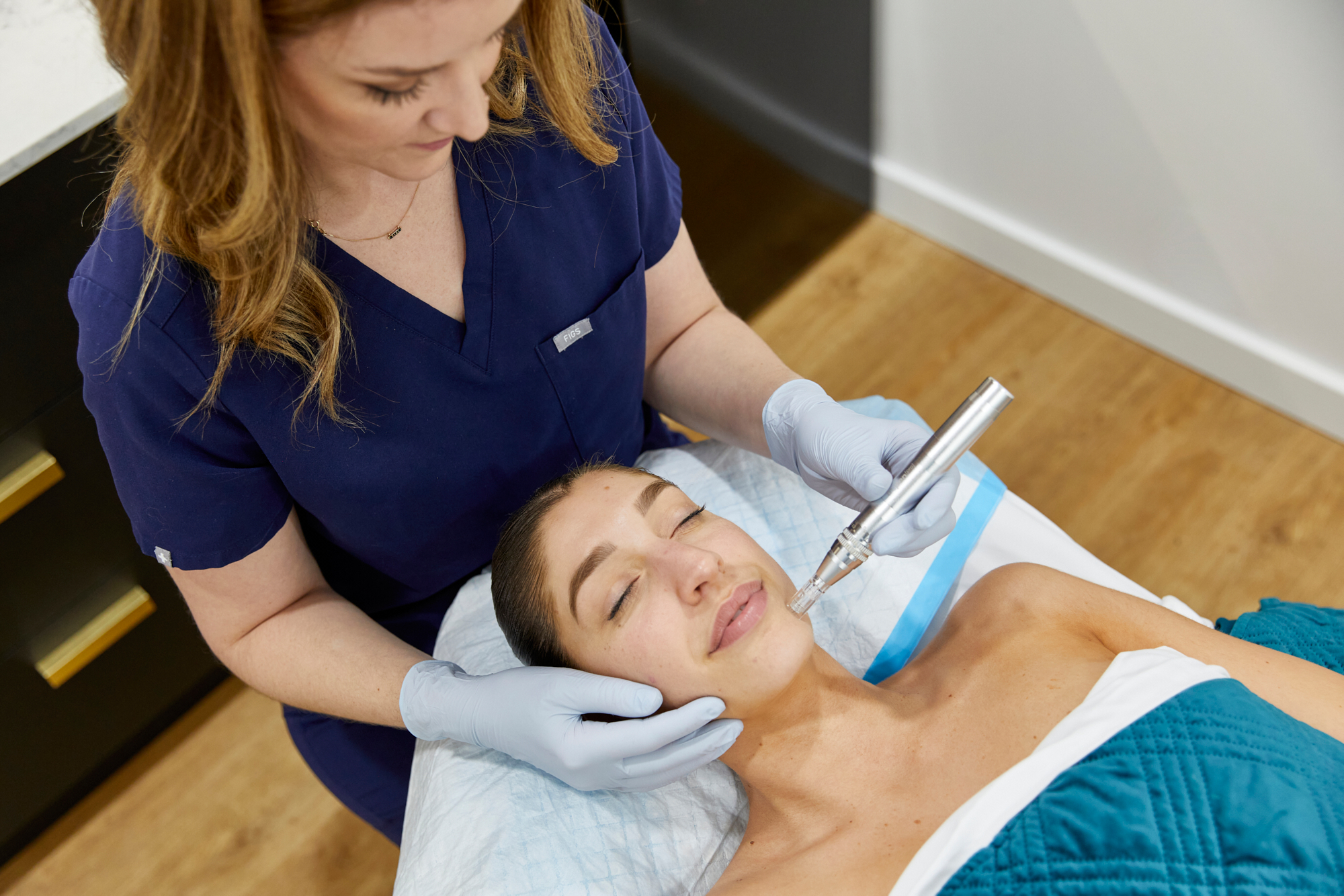
Skin needling
This results-driven, medical-grade treatment targets multiple skin concerns, helping to reduce the appearance of fine lines, wrinkles, acne scarring, and enlarged pores while improving skin laxity and boosting collagen production
Recovery and Aftercare
Recovery varies according to the procedure, treatment intensity and individual skin response.
Temporary redness, swelling, tenderness, dryness, flaking or sensitivity may occur after some scar treatments. More intensive procedures may involve a longer period of visible recovery.
The expected healing process will be explained before treatment, and aftercare instructions tailored to your procedure will be provided.
Acne & Scar Treatment Across Perth and Fremantle
Our Stirling skin clinic is conveniently located for patients from surrounding areas including Doubleview, Scarborough and Osborne Park.
Our North Fremantle skin clinic is also convenient for patients travelling from Cottesloe, Mosman Park and Claremont.
At both clinics, scar treatment begins with understanding the scar and surrounding skin so that recommendations are based on its depth, colour, texture and other individual characteristics.
Acne & Scar Treatment FAQs
What Causes Scars?
Scars can develop when the skin repairs damage caused by acne breakouts, other inflammation, injuries, wounds, burns, surgery or certain procedures. Not every breakout will leave a scar, but deeper or prolonged acne inflammation is more likely to affect the structure of the skin.
During healing, the body produces collagen to repair the affected area. The depth and location of the original damage, the level of inflammation, collagen production, genetics, skin type and individual healing response can influence whether a scar becomes indented, raised, thickened or different in colour and texture from the surrounding skin. Sun exposure does not cause scarring, but it can make some scars or post-inflammatory marks darker and more noticeable.
Can scars be completely removed?
Scar treatment generally aims to improve particular aspects of a scar rather than remove it completely. The degree of change that may be possible depends on the scar’s type, depth and location, as well as your skin and the treatment selected.
Why did microneedling improve my skin texture but not my deeper scars?
General skin texture and deeper structural scarring are different concerns. Skin needling may support overall texture without producing the same degree of change in a deep or tethered scar. An assessment can help determine whether another approach may be more suitable.
Should active acne be treated before acne scars?
Active acne may need to be appropriately managed before certain scar procedures are considered. Continuing breakouts can cause further inflammation and possible new scarring, so your practitioner will take current acne activity into account.
Are older scars harder to treat than newer scars?
The age of a scar is one consideration, but it does not determine suitability on its own. The scar’s type, depth, colour, location and the way the tissue has healed may be more relevant when considering treatment options.
How many scar treatment sessions will I need?
There is no standard number of sessions. The recommended course will depend on the scar, the treatment selected and how your skin responds. Some concerns may require several sessions or a staged approach.
Book a Acne & Scar Consultation
Ready to understand your treatment options? Book a personalised acne & scar consultation at COCO Skin Clinic to have your scar and surrounding skin assessed and explore the treatment pathways that may be suitable for you.
Consultations are available at our Stirling and North Fremantle clinics.
- (08) 6193 1838
- Consultations are available at our Stirling and North Fremantle clinics.